The Plaza de Armas site in Écija now has its virtual 3D replica
The Écija City Council has presented a digital twin of the archaeological site of the Plaza de Armas of the Alcázar Real, a virtual replica of about 6,000 square metres with 3D scanning of all its structures.
FJCG ·
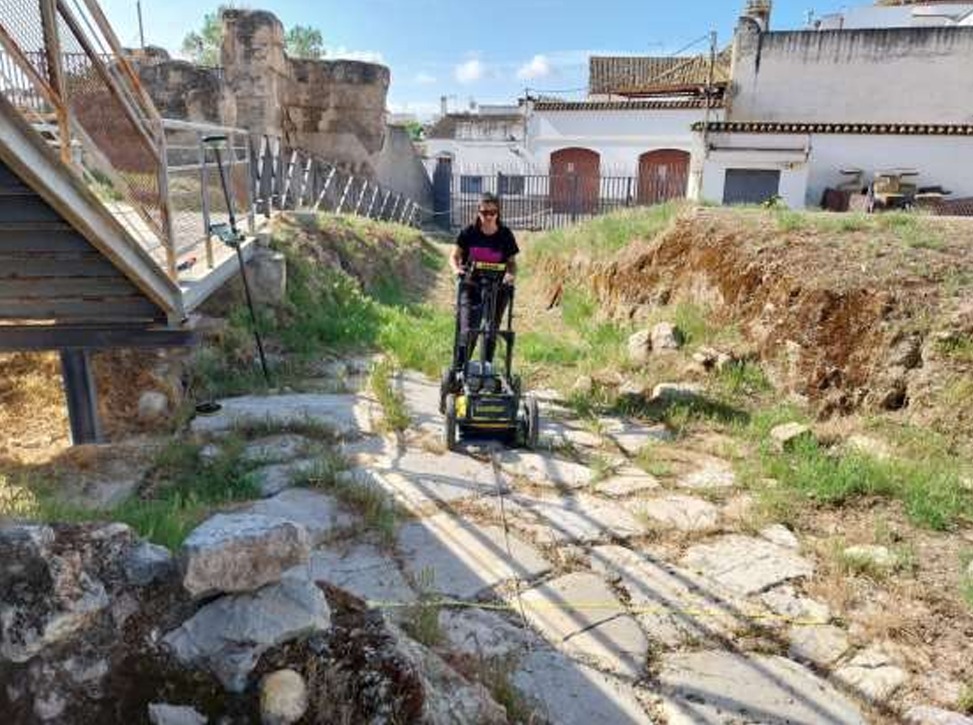
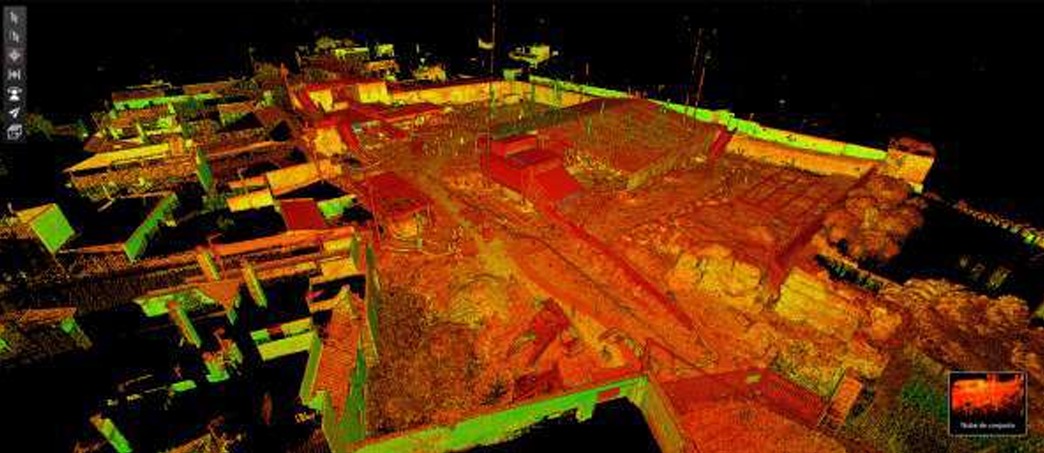
The archaeological site of the Plaza de Armas of the Alcázar Real de Écija now has a complete virtual replica. The project, called «Realidad virtual en el recinto arqueológico de la Plaza de Armas del Alcázar Real de Écija», consisted of creating a digital twin of the approximately 6,000 square metres of the site, with a 3D scan of all the structures it contains.
What has been done
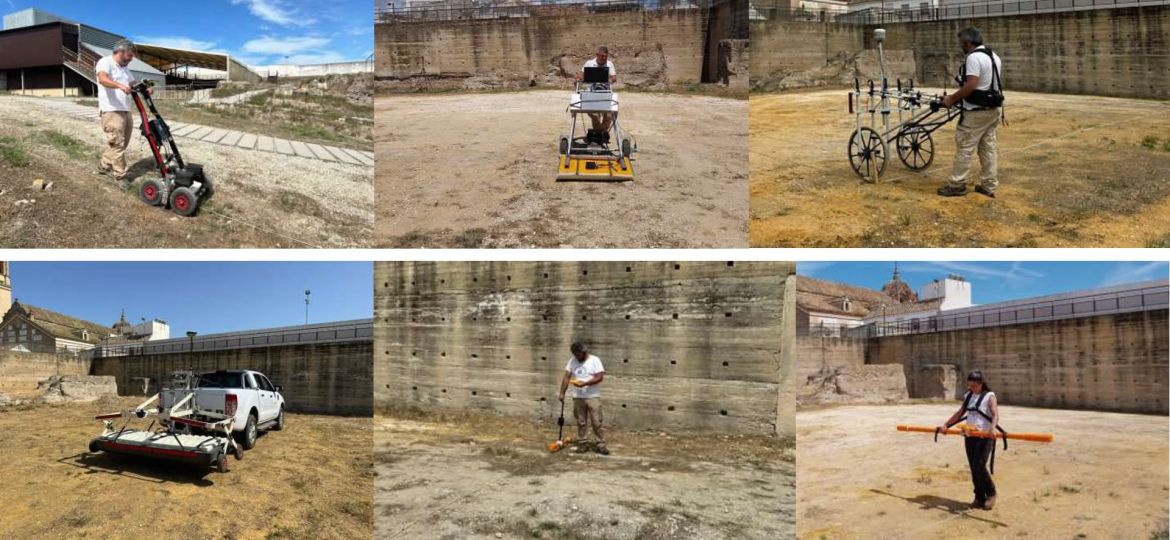
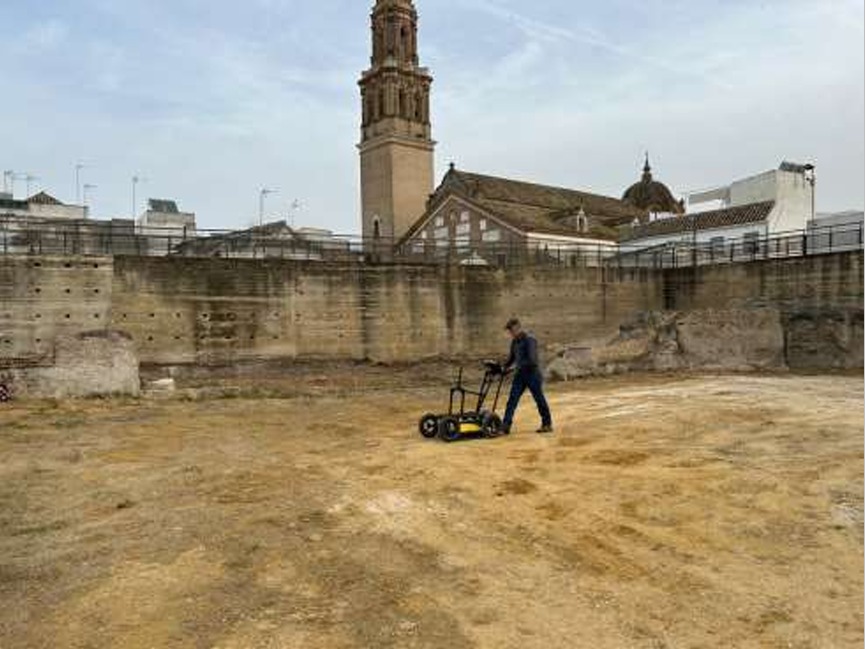
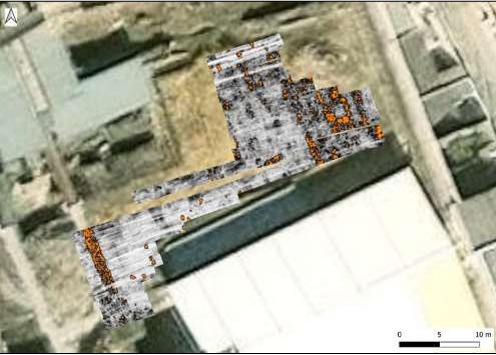
According to the municipal archaeologist, Sergio Garcia-Dils, the scan has millimetre resolution and records the Roman, Turdetan, Tartessian and Late Bronze Age levels. In addition, beneath the excavated level the subsoil has been surveyed with non-invasive techniques such as ground-penetrating radar, magnetometry and tomography, without the need to excavate.
The archaeologist notes that this information makes it possible to know, for example, how the Roman city was laid out or where the streets ran, and points out that the medium-term goal is to allow walking at Roman level within the site.
What it is for
The data obtained are used for research and excavations, as they help decide where to excavate and how to preserve and conserve the remains found afterwards. They are also used for the tourist enhancement of the site.
The Culture and Tourism delegate, Laura Hurtado, has indicated that the site «is a jewel with a great deal still to be discovered» and that the project makes it possible to learn about what lies underground down to some seven metres deep.
Budget
The project has a budget of 50,000 euros and belongs to the Plan de Sostenibilidad Turística en Destino. The archaeological interventions carried out in the area have revealed evidence of occupation since the 9th century BC.