29-N general election in Sevilla How to vote, the calendar and every result since 1977

El Virgen del Rocío studies the CHD8 gene with families from all over Spain

Topics Hospital Universitario Virgen del Rocío

The Seville hospital is researching why children with the same genetic mutation linked to autism present very different clinical pictures.

YaSevilla newsroom ·
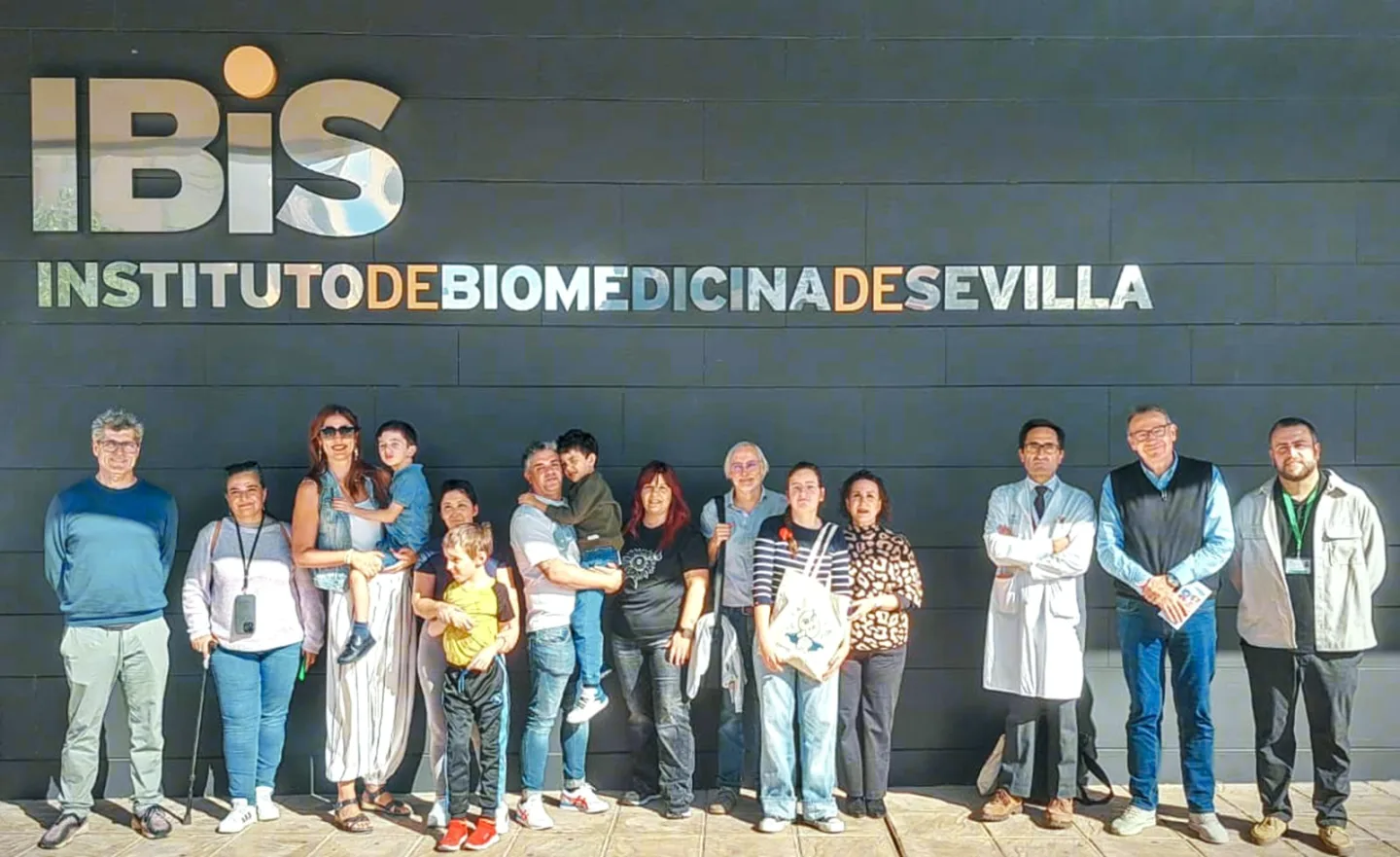
Un grupo de personas, con niños y adultos, posa sonriente ante el rótulo IBIS Instituto de Biomedicina de Sevilla en una pared oscura.
Photo: Hospital Universitario Virgen del Rocío
The Virgen del Rocío University Hospital will host families arriving from all over Spain to take part in a study on the CHD8 gene, one of the genetic alterations most closely linked to autism spectrum disorder (ASD). The research seeks to understand why boys and girls with the same mutation can show very different clinical manifestations. To this end, the team will study their cognitive, motor, behavioural and psychiatric characteristics, as well as family and social aspects. The aim is to broaden knowledge about this rare genetic condition and create a national database on CHD8 that will facilitate future research and collaboration between scientists, healthcare staff and family associations. The project is being developed jointly by the hospital's Child and Adolescent Mental Health Unit, the Instituto de Biomedicina de Sevilla (IBiS), the Centro Andaluz de Biología Molecular y Medicina Regenerativa (CABIMER) and the Asociación Emuná CHD8. Leading it are José Carlos Reyes Rosa, of CABIMER, and Nathalia Garrido Torres, Miguel Ruiz Veguilla and Benedicto Crespo-Facorro, of the Virgen del Rocío and IBiS, as detailed by the hospital.

A spontaneous mutation on chromosome 14

CHD8 is a gene located on chromosome 14 that produces a protein responsible for regulating the expression of other genes essential during embryonic and neuronal development. The disorder is usually due to a mutation in one of the two copies of the gene, generally of spontaneous onset. The syndrome is characterised by ASD traits, mild to moderate intellectual disability, macrocephaly (increased head circumference) and tall stature. Gastrointestinal disorders, muscle hypotonia, sleep disturbances and facial features such as a broad forehead or widely spaced eyes are also common.

Shall we let you know what matters?

Phone alerts

Change or remove it in my alerts